When science mimics nature

Science mimics nature - Photograph by Laura Lecce
Science mimics nature – Photograph by Laura Lecce

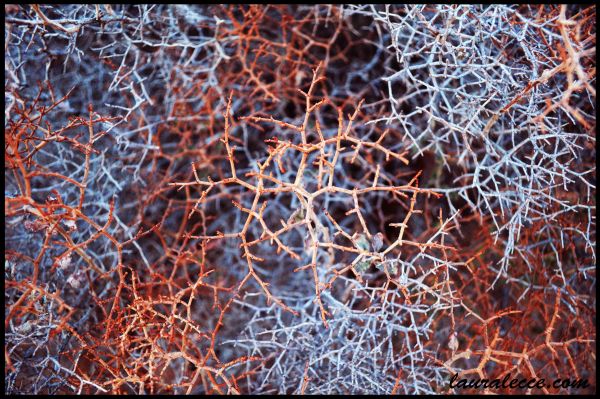
For this Friday instead of a flower I wanted to show you this photo I took of a brittle winter shrub I came across in Utah. I was attracted to the geometry of the branches, the different layers of focus and the contrasting segments of color that come together to form a very beautiful abstract image. Many things that scientists do can resemble this kind of picture. Some examples are the drawings of chemical structures consisting of different atoms and their bonds, or cells branching out to each other in a culture dish. This kind of picture reminds me that nature, science and art are intricately linked. I hope you can also appreciate the beauty in each of those. Happy weekend everyone!

Friday Flower – Frangipanis in baby pink

Frangipanis in baby pink - Photograph by Laura Lecce
Frangipanis in baby pink – Photograph by Laura Lecce

One thing I miss since moving to New York is the sweet smell of frangipanis. In Australia they grow in abundance in all but the colder cities and the flowering season goes for months. There are close to 300 different colors of frangipanis and all are incredibly beautiful. These trees make their own perfectly arranged bouquet of flowers at the end of each branch. The flowers are so soft and delicate that it feels great to stick your face and nose into them and take a deep breath of heavenly scent. Even once the flowers drop off they still look perfect and can be used as a beautiful decoration in your home by floating them in a bowl of water. Enjoy the weekend everyone!!!

Friday Flowers – Daffodils

The daffodils are coming - Photograph by Laura Lecce
The daffodils are coming – Photograph by Laura Lecce

I feel like this is the bright and sunny photo from the end of a advertisement for allergy medication (when the person can finally enjoy the flowers because of anti-histamines). It’s as though the flowers are standing proud, chests puffed out and determined. This photo was taken last year at the very start of Spring. I had gone to the New York Botanical Gardens to see the orchid display in the glass conservatory. It was an incredibly icy cold day where the wind cuts right through you and it is painful to be outside. I spotted this gorgeous hill covered in hundreds of daffodils and couldn’t pass without a photo, even though I was absolutely frozen for doing so. I love that this photo gives the absolute opposite feeling of the reality of that day, it shows a perfectly sunny day with bright blue skies and warm yellow flowers. Daffodils belong to the genus Narcissus along with jonquils. They are commonly associated with the myth of Narcissus – a man who fell in love with his reflection in a body of water and realizing that his love would never materialize he died of his sorrow. Narcissus the plant then appeared at the place of his death (Sorry, I didn’t mean to get so dark). Instead, I will end by saying that the weather is warming, and soon these very cheerful flowers will be appearing all over Central Park. Happy weekend everyone!!!

Black currawong and her honey bush

Black currawong and her honey bush - Photograph by Laura Lecce
Black currawong and her honey bush – Photograph by Laura Lecce

This intense-looking bird is a black currowong native to Australasia that I photographed while hiking in Tasmania. These birds look quite similar to Australian magpies except that their eye color is yellow instead of red. They have a very special relationship with the richea honey bush and were featured in a David Attenborough narrated documentary called Life in the episode on plants. The honey bush encases its flowers in individual little pods which protect the flowers from cold weather and icy winds that are common in Tasmania. Unfortunately it also prevents successful pollination of the flowers by insects which cannot access them nor remove the protective outer casing. When warmer weather comes along the flowers produce a nectar which attracts the currawongs. They go about their day pulling off each of the little flower pods to access the nectar which also exposes the flowers to pollinating insects and thus the plant can reproduce.

For other posts from Tasmania please click here, or for birds please click here.

Friday Flower – Desert Rose

desert-rose

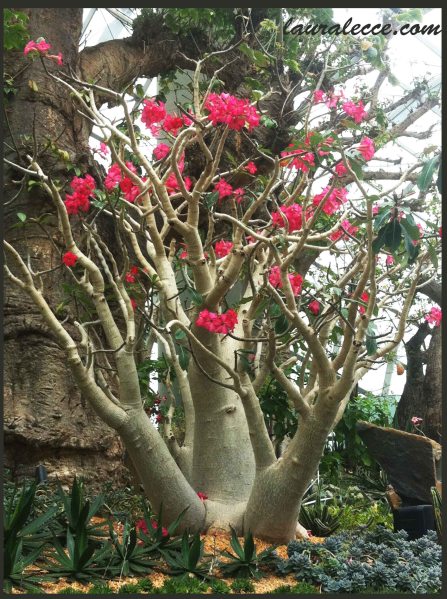
This stunning pink flower is called the dessert rose. Not only is it an impressive flower, but the plant itself is also very unique looking and an attractive plant to have in the garden or as a bonsai. It is native to Africa and The Middle East and is a close relative of the Frangipani and Oleander. The flowers come in various shades of pinks and reds. African hunters use the sap found in the trunk and roots to coat arrows as it contains cardiac glycosides which interfere with the contraction of heart muscle and is extremely toxic. These huge specimens that I photographed are found in the desert section of a stunning gardens in Singapore called Gardens By The Bay. Happy weekend everyone!!!

dessert-rose-plant

Flower Friday – Paphiopedilum diversity

Beauty in Diversity - Photograph by Laura Lecce
Beauty in Diversity – Photograph by Laura Lecce

How boring the world would be if everything was identical. Differences can sometimes create fear and competition, but it is those differences that create value in uniqueness. To appreciate beauty you must have seen the ugly, to appreciate brightness you have to first experience dullness. These two paphiopedilum orchids are stark opposites of each other and to me both equally stunning for their individuality. Everyone might have a favorite, but it is the differences that even give us a choice to chose. Different choices are neither good nor bad…. It is life. Happy weekend everyone!

For other orchid posts please click here.

Friday Flower – Phalaenopsis as a shimmery sunset

Phalaenopsis - Photograph by Laura Lecce
Phalaenopsis – Photograph by Laura Lecce

When nature created this orchid it was aiming for something truly special. This is an unknown phalaenopsis hybrid whose flowers each year were a highlight amongst my collection. The simultaneously soft and yet bold colors of a sunset radiate from the center to form a backdrop for the branching pink veins across the petals. Soft shimmery glitter peppers the surface and adds an extra touch of magic and awe to an already perfect flower. Nature is the most inspiring of all artists. Happy weekend everyone!

Click here for other orchid posts.

Flower Friday – Leonotis leonurus

Leonotis leanurus - Photograph by Laura Lecce
Leonotis leanurus – Photograph by Laura Lecce

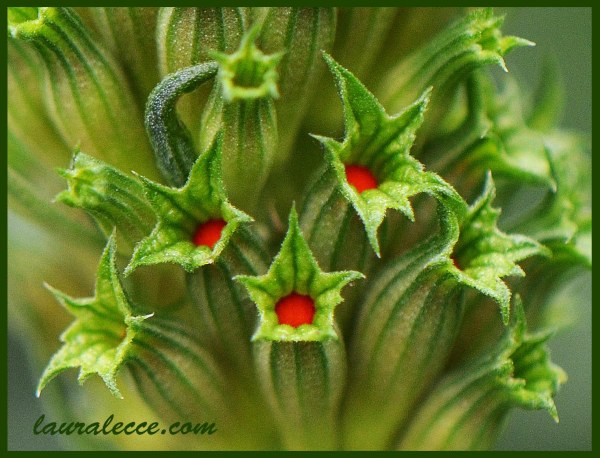
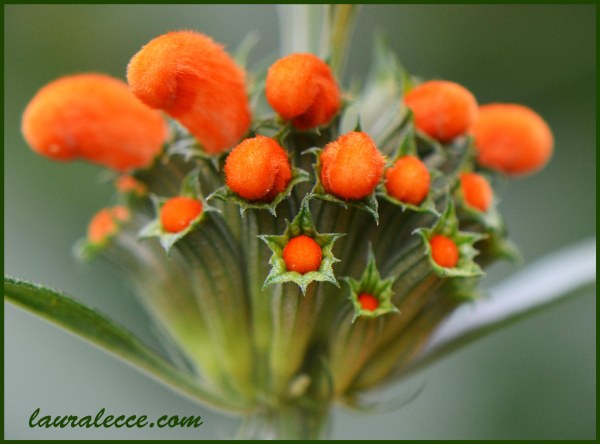
These photos are from the very unusual plant called leonotis leonurus (commonly called lion’s tail or wild dagga) native to South Africa. A very hardy perennial plant belonging to the mint family which is drought resistant, deer resistant and also used as an annual in colder climates. It forms unusual tubular flowers in clusters along the stem with newer clusters appearing at the top. The shape of the flowers are perfectly suited for pollination by sunbirds and hummingbirds, but also attracts butterflies and bees with sweet nectar inside the flowers. This plant has psychoactive compounds with similar effects to cannabis in that smoking dried leaves and flowers can give a mild calming effect (please do not try this on account of my blog!) Leonurine has also been found to have antioxidant, cardio-protective, anti-inflammatory and hypoglycemic (anti-diabetic/blood sugar lowering) properties. The unusual flowers which are commonly orange but also come in a white and yellow variety gave me some very bright and interesting photographs. Happy weekend everyone, see you in 2017!!!

Lions Tail - Photograph by Laura Lecce
Lions Tail- Photograph by Laura Lecce

Flower Friday – Pointleaf Manzanita

The bleeding bush - Photograph by Laura Lecce
The bleeding bush – Photograph by Laura Lecce

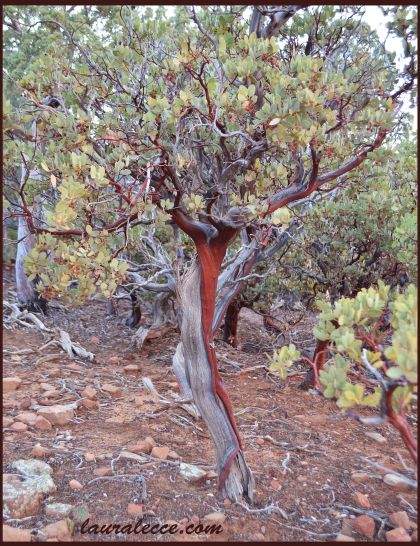
This post today is not so much a flower but a really interesting shrub I saw while recently hiking in Sedona, Arizona. A shrub commonly named pointleaf manzanita (Arctostaphylos pungens), manzanita meaning “little apple” in Spanish. These plants make berries (that look like little apples, hence the name) which are a food source for various wildlife in this dry and harsh environment, and are also harvested to make jam in some parts of Mexico. They have gorgeously twisted, blood-red bark and branches ending in small green leaves. Even more fascinating is that many of them are a tortuous combination of dead (grey) and live (red) parts which look as though blood is streaming down the side of the plant. It is also fitting that an area famous for its red rocks has its very own red shrubs too. Happy weekend everyone!

Friday Flower – Blooming Cactus

Cactus Flowers - Photograph by Laura Lecce
Cactus Flowers – Photograph by Laura Lecce

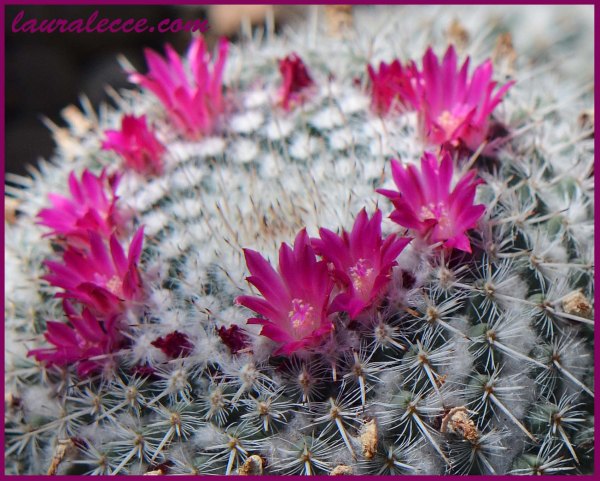
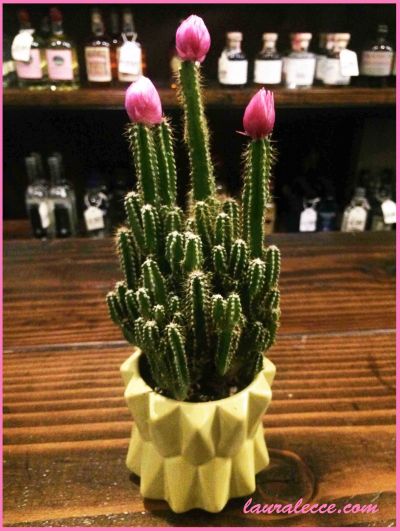
This photo was taken at the New York Botanical Gardens in the desert section of the Enid A. Haupt Conservatory. Cacti produce some of the most stunningly beautiful flowers in the world. These brilliantly colored pink flowers were on the top of a teeny little barrel-shaped cactus. A cactus must be mature to flower and this can take more than 30 years for some cacti, and 40-55 years for the saguaro cactus! A word of warning though, not all cactus flowers are real. I have seen flowering cacti becoming more popular at grocery stores and corner stores, and the same cactus comes in a variety of brightly colored flowers from purples and pinks to oranges and yellows. Wondering how this could be possible, I have felt the flowers to assure myself that they are real. They are technically “real” flowers, just not real cactus flowers. My friend recently purchased one, and was kind enough to provide me a photo (below). These flowers are actually a strawflower (or everlasting flower) which have been glued to the cactus. These flowers can stay in perfect condition long after removal from the plant, and for marketing convenience make a very pretty addition to a cactus.

In a perfect world - Photographed by a good friend
In a perfect world – Photographed by a good friend