Friday Flower – My Bleeding Heart Vine

My Bleeding Heart Vine - Photograph by Laura Lecce
My Bleeding Heart Vine – Photograph by Laura Lecce

This adorable little red flower is from a Bleeding Heart Vine (Clerodendrum thomsomiae), a native to tropical west Africa. This plant utilizes two reproductive strategies, dichogamy and herkagomy which mean that the stamens (male reproductive parts) ripen at a different time and are spatially separated to the pistil (female reproductive part), thus ensuring that this plant cannot self pollinate. Instead, the hard work is accomplished by butterflies and hummingbirds which spread the pollen to other plants. This also means that the genetic diversity of this plant is increased through combining the genes of separate plants, providing a higher chance of adaptation and evolutionary survival. Too much science for a Friday? In that case, happy weekend everyone!
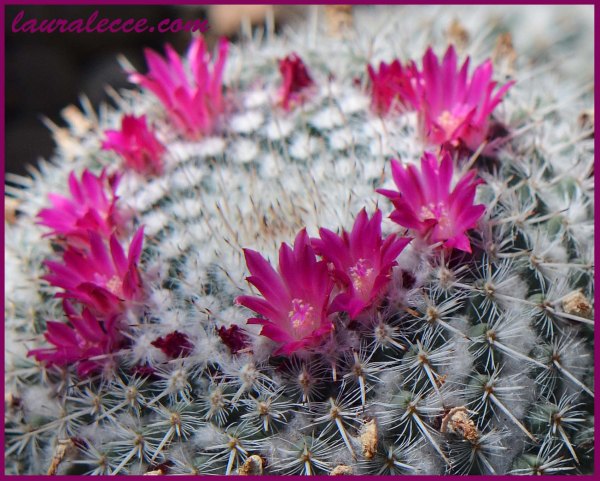
Friday Flower – Blooming Cactus

Cactus Flowers - Photograph by Laura Lecce
Cactus Flowers – Photograph by Laura Lecce

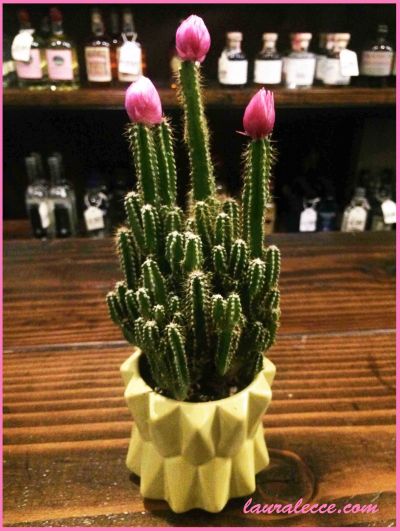
This photo was taken at the New York Botanical Gardens in the desert section of the Enid A. Haupt Conservatory. Cacti produce some of the most stunningly beautiful flowers in the world. These brilliantly colored pink flowers were on the top of a teeny little barrel-shaped cactus. A cactus must be mature to flower and this can take more than 30 years for some cacti, and 40-55 years for the saguaro cactus! A word of warning though, not all cactus flowers are real. I have seen flowering cacti becoming more popular at grocery stores and corner stores, and the same cactus comes in a variety of brightly colored flowers from purples and pinks to oranges and yellows. Wondering how this could be possible, I have felt the flowers to assure myself that they are real. They are technically “real” flowers, just not real cactus flowers. My friend recently purchased one, and was kind enough to provide me a photo (below). These flowers are actually a strawflower (or everlasting flower) which have been glued to the cactus. These flowers can stay in perfect condition long after removal from the plant, and for marketing convenience make a very pretty addition to a cactus.

In a perfect world - Photographed by a good friend
In a perfect world – Photographed by a good friend

Friday Flower – New England Aster

New England Aster - Photograph by Laura Lecce
New England Aster – Photograph by Laura Lecce

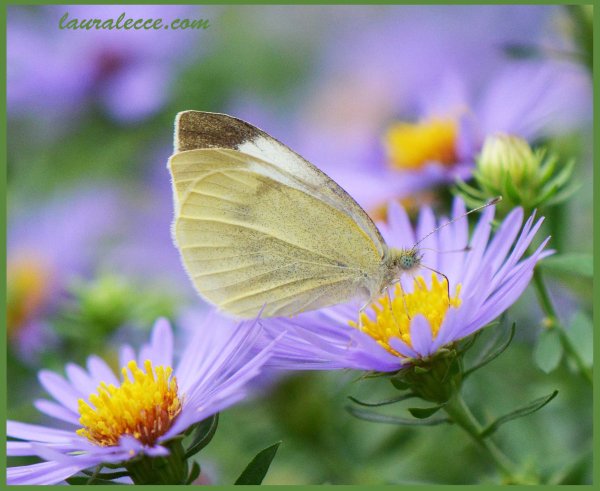
New England Aster is North American native plant, and is a great way of adding some bright color to your Autumn garden. Another fantastic perk is that these flowers are a great source of nectar for bees and butterflies, which can keep macro photographers busy for hours, and I also discovered that some butterflies have baby blue colored eyes. Not only are these flowers edible for insects, they are also a great way to add some color to your salads. This plant (mostly extract from the roots) has been used by many cultures (including Native Americans and Chinese) as a herbal remedy for fever, inflammation, and gut-related irritations. Planting some New England Aster is not only great for your garden, but can become so much more than just a pretty flower.

Flower Friday – Skipper Butterfly on a Dahlia Bud

Skipper Butterfly - Photograph by Laura Lecce
Skipper Butterfly – Photograph by Laura Lecce

No science today, no facts, and no biology, just an adorable little butterfly on a plump dahlia bud. Why? Because todays post is dedicated to a very dear friend of mine. This post marks a moment in time when our friendship became greater than science. We will always find science in our lives because that is what we are trained to do, and biology will continue to exist around us. Friendships however, can sneak up on us gradually without any realization that it is happening, and will truly blossom when we face moments of hardship together. Together we will survive Winter and Spring will always follow.

Flower Friday – Japanese Toad Lily

Japanese Toad Lily - Photograph by Laura Lecce
Japanese Toad Lily – Photograph by Laura Lecce

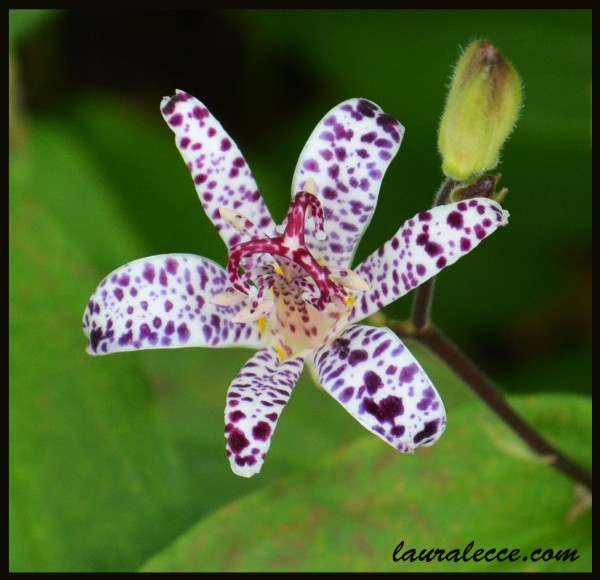
This is a photo of a Japanese Toad Lily, which in my opinion, is quite an unattractive name given to a beautiful flower. This was the first time I have seen or heard of this flower. It is native to Japan, and flowers late in summer to early fall. One particular piece of information that stuck in my mind above all others, is that this flower is deer resistant. To an Australian who has never, and will never experience a deer visiting my garden, this intrigued me. I further found out that deer resistant means that it is not one of their favorite flowers to munch on. If I had the slightest possibility that a deer might visit me, I would be someone who would plant flowers purely to entice deer into my garden. Though I can also understand the frustration of people who want a flower filled garden, and are constantly losing flowers to hungry deer. If you are experiencing that frustration, then supposedly this flower is a good choice for your garden, as it may last longer than other flowers which deer think are yummy to eat.

Have a great weekend everyone, and for other flowers please click here.

Friday Flower – Pineapple

Pineapple - Photograph by Laura Lecce
Pineapple – Photograph by Laura Lecce

Yes it is true that the pineapple is a fruit, but did you know that to make a pineapple, this bromeliad must flower. Actually the flower spike it produces is up to 6 inches (15cms) tall, and will contain up to 200 spirally arranged flowers. The fruits (technically they are berries) develop from the ovaries of the individual flowers, which then join together to become the yummy pineapple that we eat. The fruits are arranged into two interlocking helices, one containing 8, and the other direction containing 13. These numbers are both Fibonacci numbers. I don’t want to bore you with too much mathematics, but the sequence goes as follows, 0, 1, 1, 2, 3, 5, 8, 13, 21, 34, 55…and so on. Each number is the sum of the two preceding numbers. Fibonacci numbers often appear in nature (which is governed by mathematics) such as in the branching of trees, arrangement of leaves along a stem and in succulents, petals on a flower, pine cone bracts, the list is huge. So those of you that love nature, and never thought of yourselves as mathematicians, you are actually math admirers.

Have a great weekend everyone!

Friday Flower – Lavender with a hint of cabbage

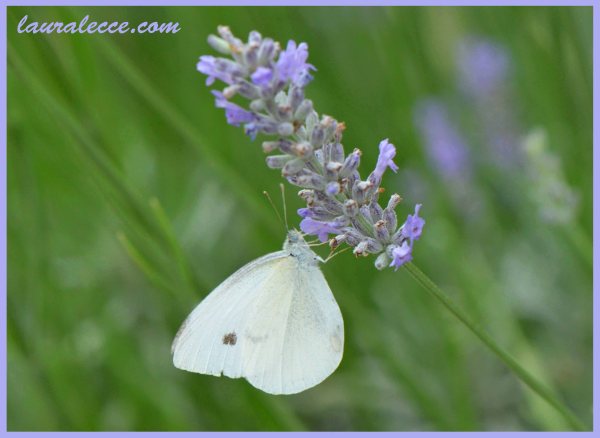
Lavender with Butterfly - Photograph by Laura Lecce
Lavender with Butterfly – Photograph by Laura Lecce

A peaceful Friday photograph of lavender with a white cabbage butterfly. I use the word peaceful because lavender oil possesses anxiolytic (anti-anxiety) effects, and thus, has long been used as a calming agent and to promote sleep. However, Friday is my busiest work day, and I have no time to rest. Instead, I will tell you that this white cabbage butterfly is an agricultural pest in North America and Australia because the caterpillars love to eat crops. We should still have some sympathy for them though, because certain species of wasp will lay their eggs inside the caterpillar and the wasp larvae then eat it from the inside out, ultimately killing the caterpillar. What a horrible way to die! Happy weekend everyone, I hope I didn’t give you nightmares.

Flower Friday – Not just another water lily!

San Fran Water Lily - Photograph by Laura Lecce
San Fran Water Lily – Photograph by Laura Lecce

This photo of a water lily has long been one of my absolute favorites. It was photographed in a stunning glass house called the Conservatory of Flowers at the San Francisco Botanical Gardens. What particularly draws my interest is the soft geometry of nature, resting against a rigid backdrop of man-made geometrical rectangles in the reflection of the glasshouse windows. A lovely start to spring for all my fellow Aussies, have a great weekend everyone! (and completely in denial that summer is ending here in the USA).

For my other water lily posts click here.

Flower Friday – Jade Vine

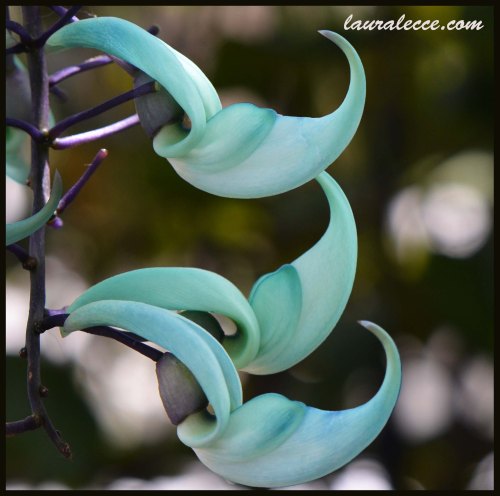
Jade Vine - Photograph by Laura Lecce
Jade Vine – Photograph by Laura Lecce

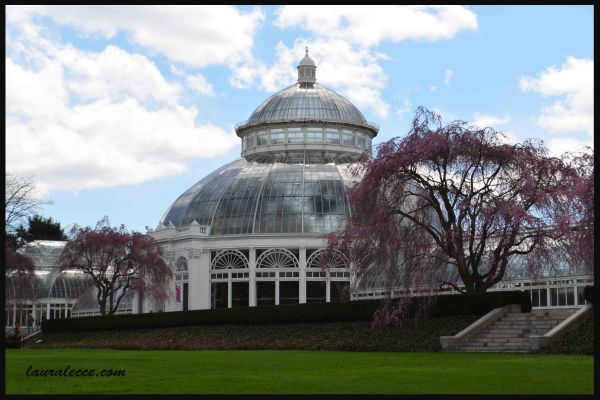
The Jade Vine (not to be confused with the jade plant also known as money tree) is an unusual plant native to the Philippines and is closely related to beans and peas. It grows into a monstrous vine with stems of up to 60 feet (18 meters) and once mature will hang hundreds of cascading flowers, dangling from stems as long as 10 feet (3 meters). These flowers range from a lovely turquoise color to a mint green. The flowers above were photographed from a mighty vine growing inside the Enid A. Haupt Conservatory (photo below) at the New York Botanical Gardens. It is a temperature controlled glass house that contains many tropical plants, which like myself, are most intolerant of New York winters. Happy weekend everyone!

New York Botanical Gardens - Photograph by Laura Lecce
New York Botanical Gardens – Photograph by Laura Lecce